Antisana Summit Climb
Ecuador's wildest big volcano - 5,704 m, camp and alpine ice
- Difficulty: Challenging
- Ecuador's fourth highest peak
- Base camp at 4,600 m
- Technical alpine ascent
- Camping equipment included
- Rarely climbed mountain
-
Duration2 days / 1 night
-
Group sizeRope teams of 2 climbers per ASEGUIM guide
-
DifficultyChallenging
-
DepartureEcosportour office, Venezuela N11-99 y Carchi, Quito Historic Center (corner of the Basilica del Voto Nacional), 10:30 a.m.
-
Departure daysEvery day, with a minimum of 2 climbers (private excursion available for 1 person at double the rate)
-
LanguagesEnglish, Spanish
Tour overview
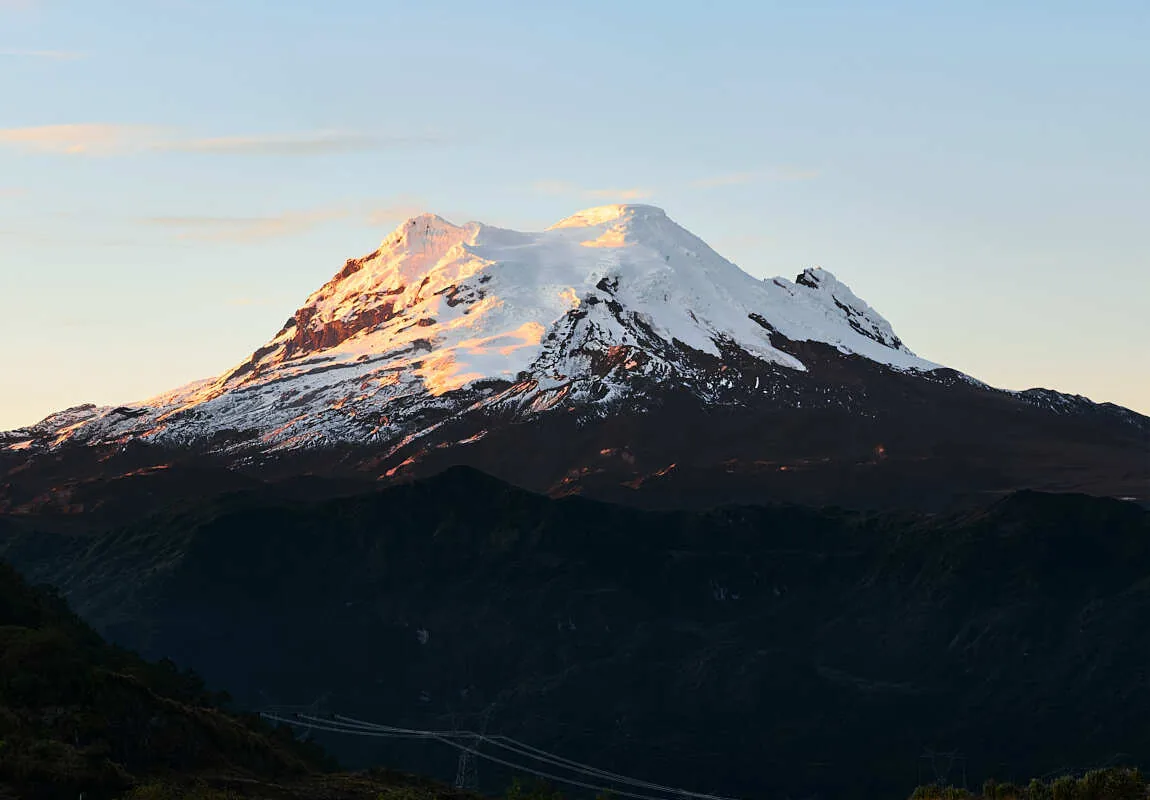
An Antisana climbing expedition takes you up Ecuador’s fourth highest mountain: 5,704 m (18,713 ft) and by far the least visited of the big four. There is no refuge here. You camp at 4,600 m in the La Virgen sector, inside the Antisana Ecological Reserve, 50 km southeast of Quito.
This is the technical one. A stratovolcano with two edifices – the old, eroded Antisana I and the young, potentially active Antisana II – whose glaciers move constantly. There are no fixed routes and there are many crevasses, so an Antisana climbing expedition is a genuine alpine climb led by an ASEGUIM-certified guide.
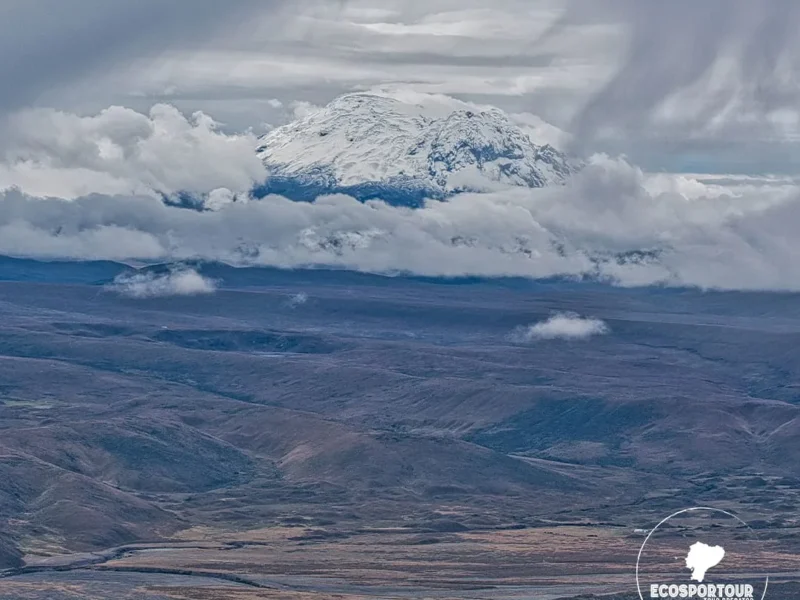
The reward is the view most climbers in Ecuador never see: the north face of Cotopaxi on one side, the Amazon basin dropping away on the other. Access is more tightly controlled here than on other volcanoes, because Quito’s drinking water comes from this glacier and its paramo.
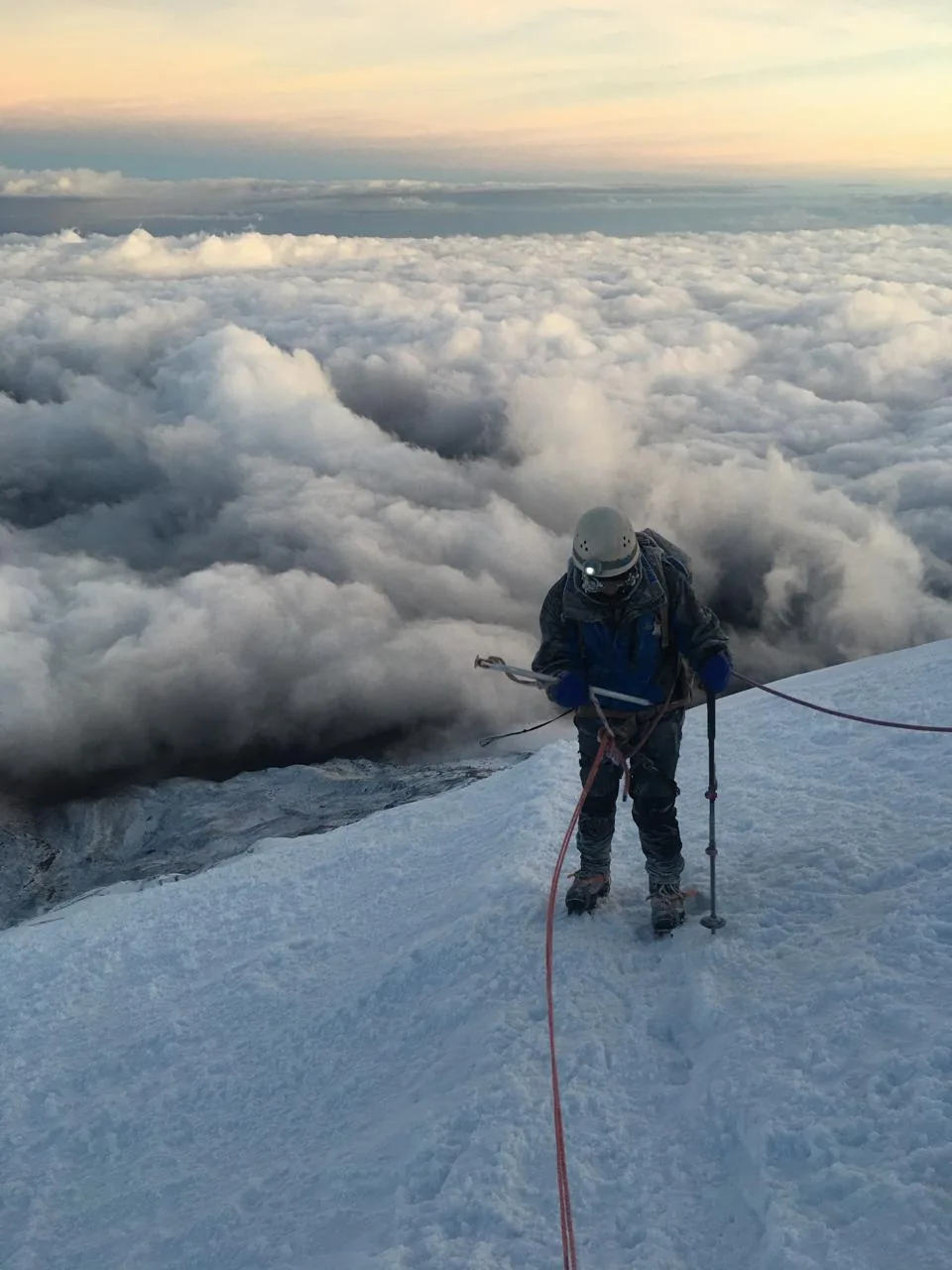
The summit push leaves camp at 23:30 and takes 7 to 8 hours on ice to reach the top at sunrise. Camping equipment, private 4×4 transport, meals and all technical mountain gear are included.
Itinerary
-
Day 1: Quito to La Virgen base camp (4,600 m)
Equipment check with your guide at our Quito office at 10:30 a.m. We drive southeast to the town of Pintag for lunch, then continue by 4x4 into the Antisana Ecological Reserve and up to the La Virgen base camp at 4,600 m. We set up camp, then run the briefing and glacier school to handle the equipment, weather permitting. Dinner and early rest.
-
Day 2: Summit push (5,704 m) and return to Quito
23:30: a cup of tea, packs ready and out of camp. Seven to eight hours of very slow alpine climbing across a heavily crevassed, constantly moving glacier to reach the summit at sunrise, between 6 and 7 a.m., with the north face of Cotopaxi and the Amazon basin below you. Return to camp, breakfast, and back in Quito at around 2 p.m.
What's included
Included
- Private 4x4 transport
- ASEGUIM-certified bilingual guide (Spanish/English)
- Meals: lunch and dinner on day 1, breakfast on day 2
- Camping equipment
- Briefing and glacier school, weather permitting
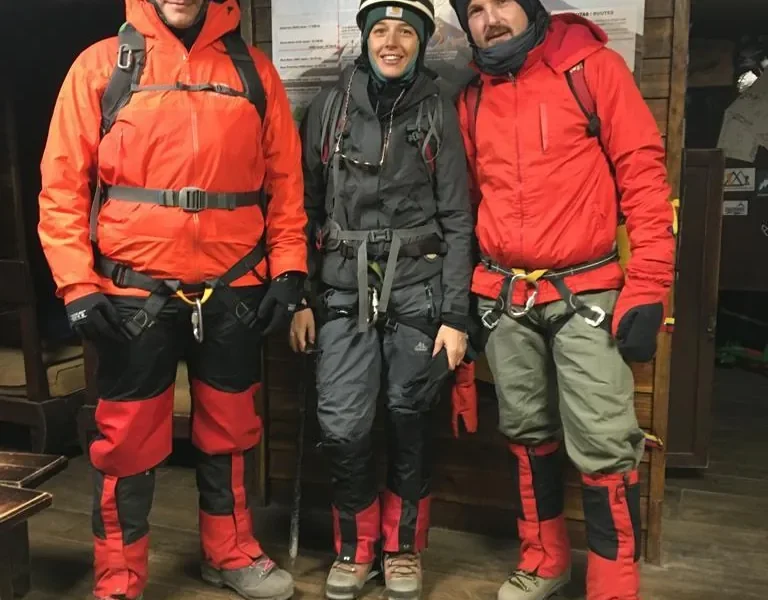
- Technical mountain equipment: plastic boots, crampons, harness, carabiner, helmet, head torch (without batteries), 2-finger outer gloves, gaiters, ice axe, waterproof trousers, waterproof jacket and rope
Not included
- Extra food and drinks; 2 litres of water per day
- Personal equipment (see what to bring)
- Sunscreen
- Sleeping bag
- Sunglasses
- Camera
- AAA batteries for the head torch (2 pairs)
- Snacks
- Gratuities
What to bring
- Lycra-type base layer shirt and trousers
- Fleece jacket and trousers
- Inner gloves
- 2 to 3 pairs of socks
- Two backpacks: one 40 L and one 15 L
- Buff
- Sleeping bag and insulating mat
- Sunglasses and sunscreen
- 2 litres of water per day, plus snacks
- 2 pairs of AAA batteries for the head torch
- Camera
Good to know
-
Is there a refuge on Antisana?
No, and that is part of the appeal. You sleep in a tent at the La Virgen base camp at 4,600 m. Camping equipment is included; bring your own sleeping bag and insulating mat.
-
How technical is the ascent?
More technical than Cotopaxi or Cayambe. The glaciers move a great deal, there are no defined routes and there are many crevasses, so this is a genuine alpine climb - the reason an ASEGUIM-certified guide is not optional here.
-
What time do we leave for the summit?
23:30 from base camp, so that 7 to 8 hours of slow climbing on ice put you on the summit at sunrise, between 6 and 7 a.m.
-
What can you see from the top?
The north face of Cotopaxi and the Amazon basin - a view very few climbers in Ecuador ever get, because Antisana is so little explored.
-
Why is access to Antisana controlled?
Because the glacier and the paramo around it supply drinking water to the city of Quito, the metropolitan water company applies stricter control here than on other volcanoes.
-
What happens if I cannot continue?
We climb in rope teams of 2 climbers to 1 guide. If one climber decides to turn back, the whole rope team descends. In larger groups with more guides, one guide goes down and the others continue.
Book this tour
Tell us your dates and we will confirm availability within 24 hours.
More tours in Climbing
The only glacier on the equator - 5,790 m, quiet routes
- Difficulty: Challenging
- Only glacier on the equator
- Ecuador's third highest peak
- 4x4 to the refuge at 4,600 m
- Glacier school included
The farthest point from the centre of the Earth - 6,310 m
- Difficulty: Demanding
- Ecuador's highest summit
- Farthest point from Earth's centre
- Refuge or high camp at 5,500 m
- All technical gear included
Ecuador's iconic glacier cone - 5,897 m, walked not climbed
- Difficulty: Challenging
- 5,897 m active volcano
- ASEGUIM-certified guide
- Technical gear included
- No experience needed